Belgium
 Denmark
 Germany
 Greece
 Ireland
 Luxembourg
 Malta
Malta Netherlands
 Norway
 Poland
 Romania
 Russia
 Sweden
 United Kingdom
 Afghanistan
 Jordan
 Kuwait
 Lebanon
 Nepal
Nepal Pakistan
 UAE
UAE Malaysia
 Myanmar
 Singapore
 China
China Taiwan
 Thailand
 Vietnam
 Read more
Back
Stories
Asda billionaire’s next investment: British motor oil firm Duckhams

Zuber Issa is investing millions of pounds in the company once championed by Formula 1 drivers Nigel Mansell and Ayrton Senna
Saturday May 24, 2025, 10.00pm, The Sunday Times

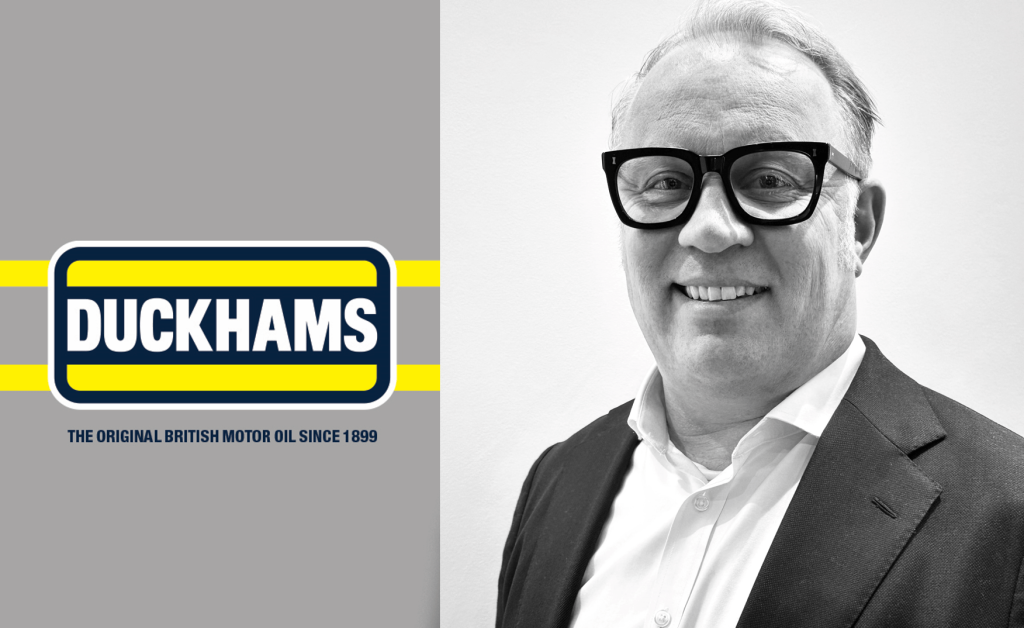
Zuber Issa’s investment in Duckhams values the company at about £50 million
JAMES SPEAKMAN FOR THE SUNDAY TIMES
Its distinctive yellow branding is enough to set the hearts of motorsport fans racing. Duckhams oil helped power James Hunt’s Formula 1 Hesketh Racing team in the 1970s, and it was the go-to motor oil for the likes of Nigel Mansell and Ayrton Senna during the 1980s and 1990s.
Now one of the country’s most prolific entrepreneurs is injecting millions of pounds into the business in the hope of restoring the fortunes of a fabled British brand.
Zuber Issa, the petrol forecourts tycoon who, with his brother Mohsin, masterminded a £6.8 billion takeover of Asda in 2021, is investing in Duckhams after BP tossed it on to the scrapheap in 2016.

Duckhams oil helped power racing drivers during Le Mans
Chemist Alexander Duckham set up his eponymous lubricants business in 1899 in Millwall, east London. He benefited from the growth of the automotive industry in the early 20th century, but was perhaps just as well known for being a close friend of aviator Louis Blériot. Duckham even paid for a memorial in Dover to mark the place where Blériot landed in 1909 after completing the first flight across the English Channel.
Duckhams then established itself as the lubricant of choice for most British car manufacturers, including Austin, Bentley, Rolls-Royce and Rover. Duckhams Q, Europe’s first multi-grade oil, was launched in 1951, six years after the founder’s death.
A step change came in 1969, however, when BP acquired the business from the family. With the financial heft of the oil major, Duckhams benefited from millions of pounds being spent on marketing and sponsorship. But by 2000, it had fallen out of favour among BP executives, who folded all their major motor oils into the Castrol brand.
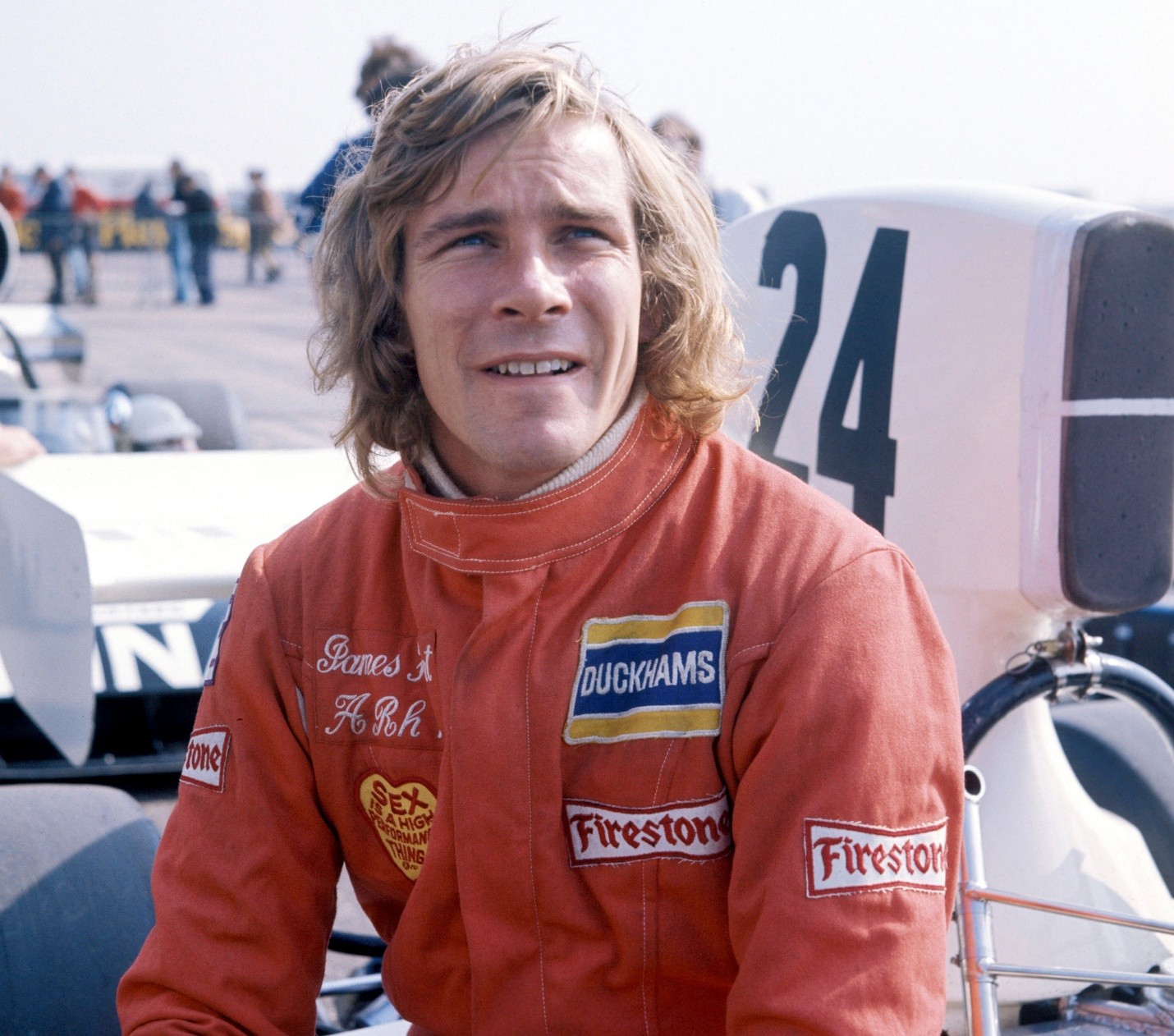
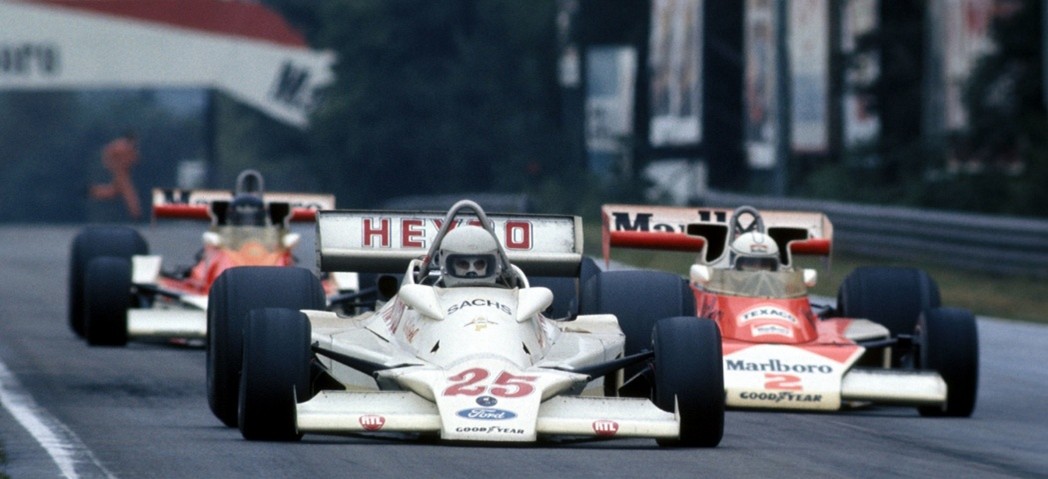
The motor oil powered British driver James Hunt, racing in a Marlboro Team McLaren, below. He was Formula 1 world champion in 1976.
A rescue of sorts came in 2016 when another petrol forecourts entrepreneur, Jabir Sheth, acquired Duckhams intellectual property from BP. With it came, curiously, a 51 per cent stake in Duckhams’ Thai joint venture — the only country where the name had been retained.
Firoz Patel, an executive director at Duckhams, said its new owners were surprised to find a cache of documents in the company’s archives. “There were handwritten formula books dating back more than 100 years,” he said.
The brand underwent an initial relaunch in 2017 and is now in 24 markets including the UK, Ireland, Germany, Spain, Denmark, the United Arab Emirates, Qatar, Oman, Thailand, Malaysia and Singapore.
Now, armed with the backing of Issa, the five-year plan is to expand to about 50 markets, Patel explained. This will be done by forming partnerships with local distributors and contractors to blend the Duckhams oil on the company’s behalf. Such a franchising model will allow it to keep costs down while leveraging local expertise for each market, Patel explained. Duckhams will also focus on the classic car sector.
Issa’s investment, made independently from his brother Mohsin, values Duckhams at approximately £50 million. The company employs 100 people and has its head office in Bolton.
Professor David Bailey, an automotive industry expert at Birmingham University, hailed the return of Duckhams with the Issa injection.
“It’s great to see it back. It is a brand very much intertwined with British motoring heritage and sport,” he said. “It was sadly killed off as a brand under BP ownership.”
Patel explained that the investment would be used to increase brand awareness through greater advertising. And Duckhams oils will be stocked by EG On The Move, the petrol forecourts business where Issa made his fortune. He sold his stake in Asda to co-investor TDR Capital in 2024.
Bailey said that embracing Britain’s colonial past might give Duckhams the edge on its rivals.
“Its classics oil will appeal, of course, to owners of historic cars, but the firm will also need to appeal to the mass market to be successful, which will be more challenging,” he said.
“There is brand recognition still in Commonwealth countries such as Malaysia and Singapore, which gives it some traction internationally. Historically, the brand was highly innovative and linked to motor sports. Building on that will be key to relaunching the brand internationally.”
Source – www.times.com
Read the full article here – https://shorturl.at/nvcVr
————————————————————————————————————————–